Archeofinds
NetworkS in HellEnistic and Roman meDiterranean – Making and Managing HiStory with Material Culture
Description
The fragmentation and the lack of integration in the approaches to the study of the ceramic productions of the ancient world does not only characterize the Hellenistic/Roman ones, but it is widespread and generalized. The difficulties of dialogue between the various disciplines (archaeology, history, economy, sociology, ethnology, anthropology, natural sciences, physics, chemistry), which today contribute to the study of the material culture of the ancient world, constitute the main obstacles to the development of an integrated analysis methodology. In addition, the discontinuity and low systematicity of their use are determined by multiple factors, not least the costs for the execution of the investigations and for the interpretation of the results. The lack of digital repertoires of ceramic productions or fabrics, the difficulty in acquiring data obtained from the application of archaeological survey methods, beyond some published synthesis study, constitutes a further limit, with negative consequences on the real possibilities of research progress and on the costs necessary to sustain it.
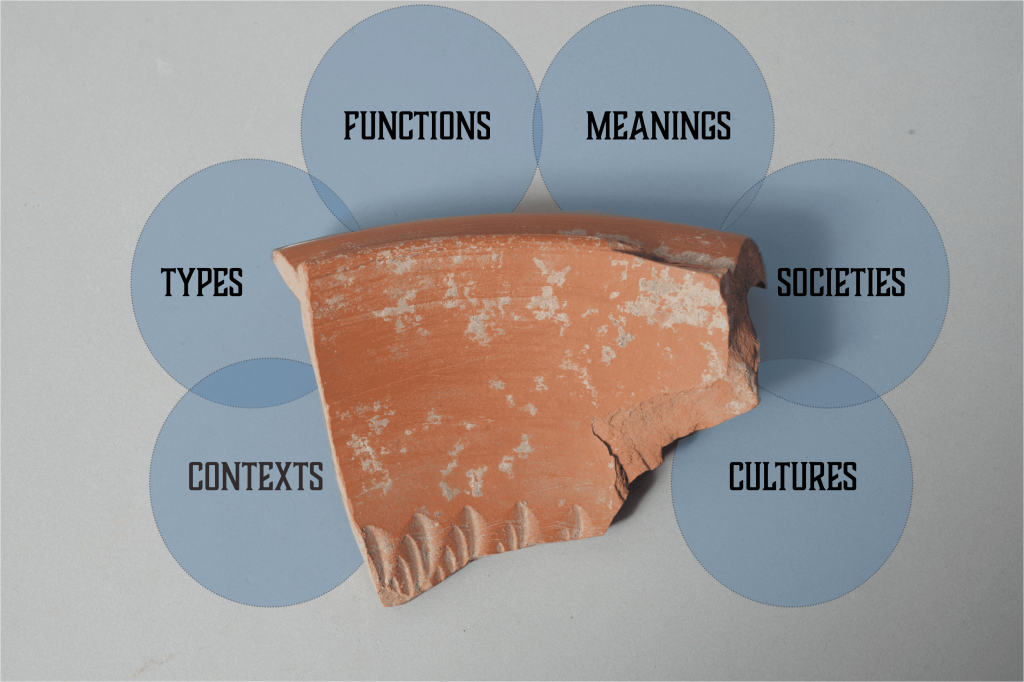
In more detail, placing the artifact at the center of the research, the project intends to explore the multiple meanings that it possesses. To do this, different types of handcrafted artifacts will be examined (fine and coarse ware, cooking ware, transport amphorae) together with many other terracotta tools used for the production of containers, preparation and consumption of food.
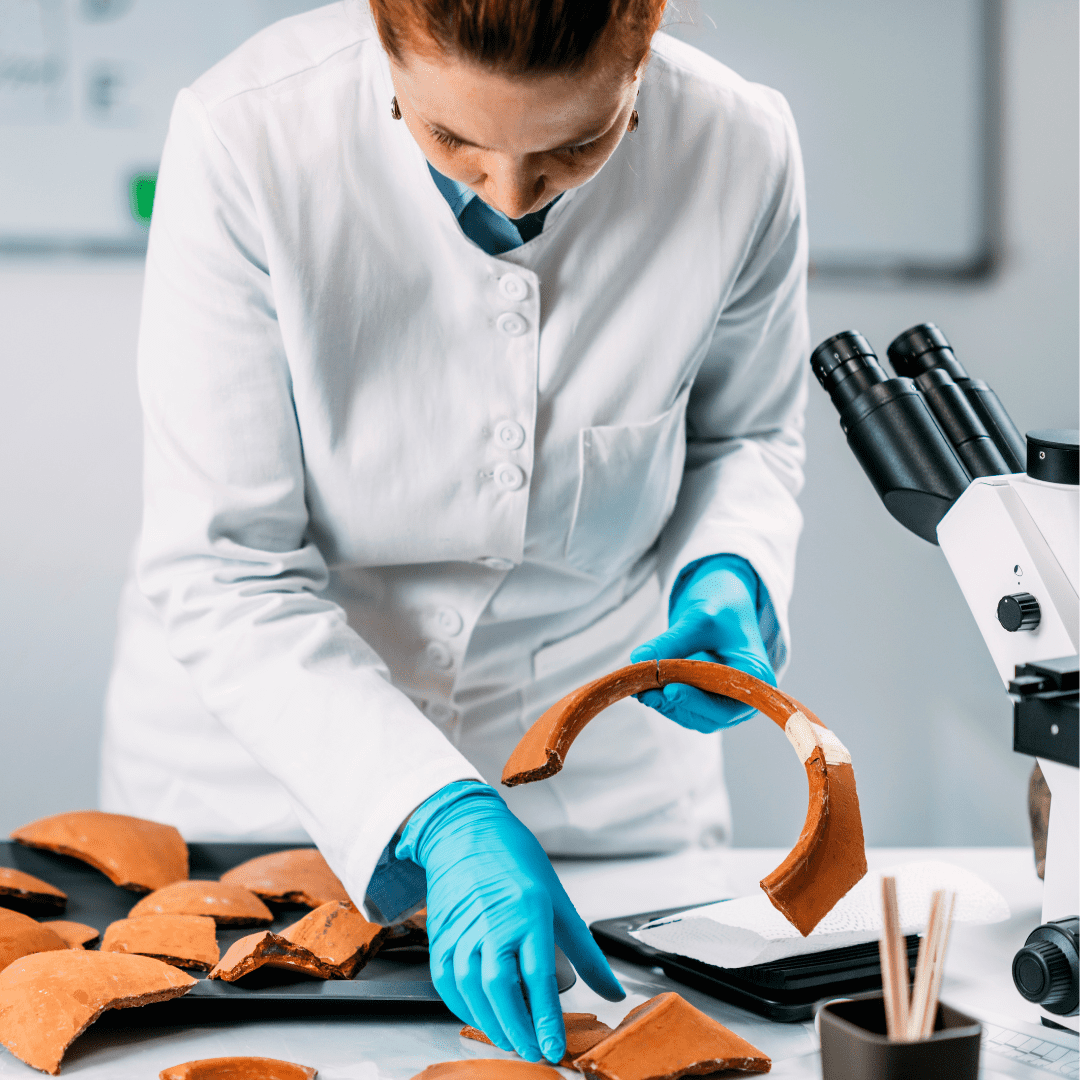
The different methods of archaeometric analysis, in particular the mineralogical and petrographic ones, will allow to identify the raw materials used, the reasons for which they were selected and how they were used, modeling techniques, coatings, firing, providing in this way essential information to reconstruct the places of production, collection, sorting and consumption.
The bio-archaeological and archaeometric analyses of the organic residues preserved inside the fine, coarse and cooking ware, will deliver new information about food and diet habits. At the same time, studying the wear traces preserved on both internal and external surfaces of the fine, coarse and cooking ware will offer an overview of the tools and facilities used in association with this pottery, during the phases of its use and possible re-use. In this perspective, all patinas and concretions are expected to provide information on the surrounding environment.
Plant macro remains (mostly seeds and fruits) and animal bones which have been found into some garbage dump in close association with fine, coarse and cooking ware, will also be analyzed and identified, with comparison to a modern reference
collection and with the aid of relevant identification literature.
These finds’ surfaces will also be analyzed in detail, with the aim of identifying traces connected with the preparation of food and trying, for instance, to distinguish boiling, roasting, cooking in the oven or in cooking a pan.
Goals
The main aim of SHERDS is to demonstrate that a new integrated and interdisciplinary approach in investigating material culture’s use and production can shed new light on past social practices and cultural identities. Based on the premise that the study of handcraft artifacts strongly depends not only on the detail and quality of the analysis of the raw data, but also on the capacity to compare them within a common framework, the project will propose an innovative approach in the study of household pottery, meaning fine and coarse wares, produced in the Mediterranean during the Hellenistic/Roman period. The project holds important potential to document the contribution of the artisanal world to its regional economy, reveal the complex and developing social matrix sustaining the evolution of productive contexts in antiquity, as well as contribute to the study of ancient urbanism. The methodology that is intended to be implemented in SHERDS combines the traditional approach to the study of ceramic productions of the ancient world, essentially based on a chrono-typological and functional classification, with the contribution of many archaeometric disciplines. These will be used for the analysis of the artifacts and for the determination of the characteristics of the natural and anthropic context of discovery.
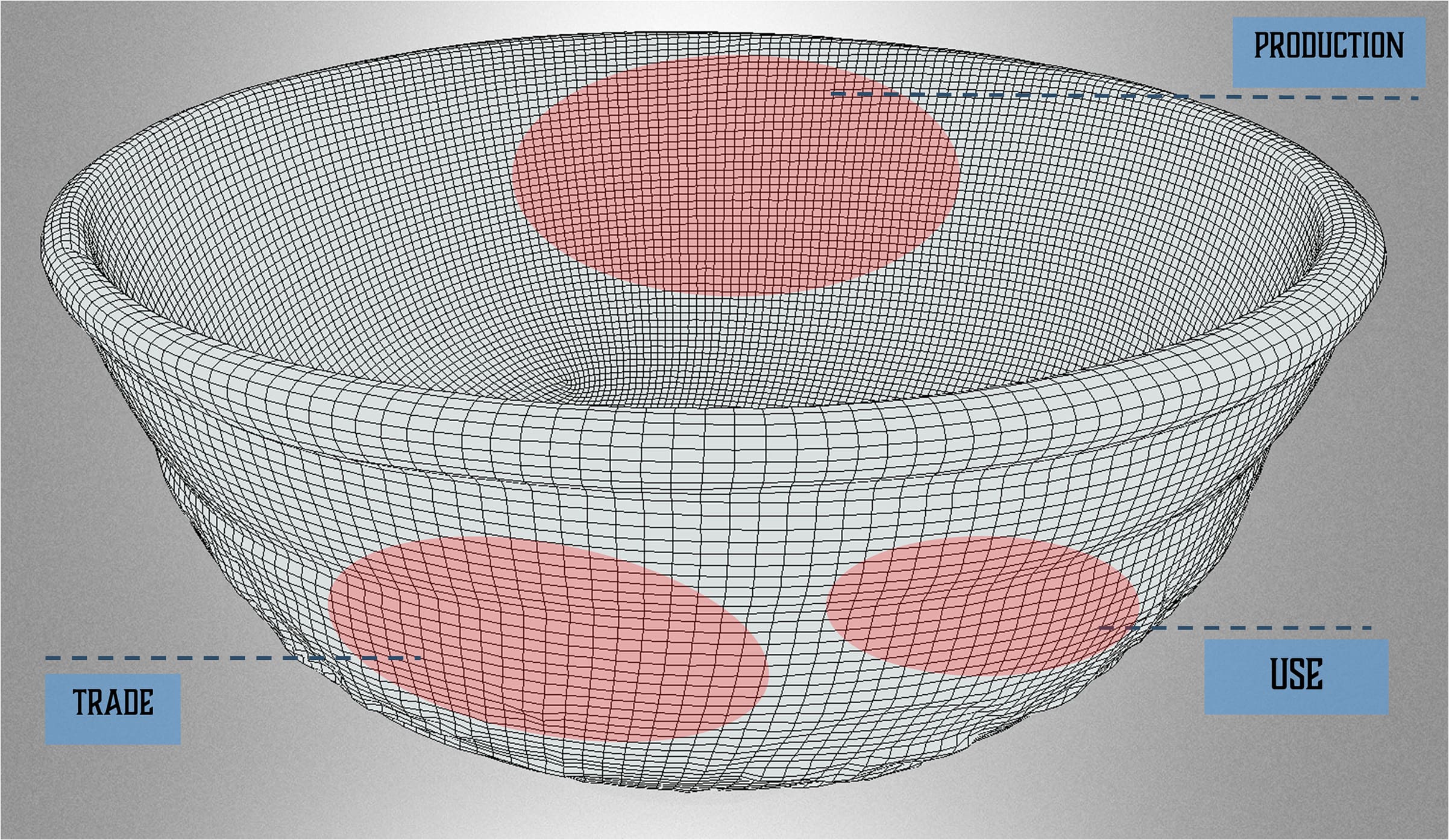
In this perspective, the physical-chemical characterization, the analysis of traces of use, the identification of organic residues, will allow to acquire valuable information on the techniques of production, trade, use and consumption of the analyzed artifacts, while archaeobotanical and archaeozoological investigations, together with multiple types of anthropogenic waste coming from the contexts of discovery, will provide valuable information for the reconstruction of the available resources in the natural contexts and the methods of human exploitation. The data acquired will be integrated into a geo database specially designed and developed in SHERDS, which, managed on the GIS platform, will constitute the premise for carrying out statistical-quantitative and geospatial analyses, oriented towards enrichment of our knowledge on the cultural, social and economic context of the Mediterranean in the Hellenistic and Roman age.
The creation of 3D models of great precision and high definition in the characterization of surfaces, “semantized” thanks to the attribution of data from the results of the numerous investigations conducted in SHERDS will enrich the database with an innovative investigation and knowledge tool compared to traditional repertoires, this together with a WebGIS platform will allow the consultation and dissemination of all the data produced within the project, becoming a reference point for an extremely wide audience of potential users.The integrated research will be applied on contexts of North (Aquileia) and South Italy (Pompeii) including Sicily (Syracuse and Finziade) and Sardina (Nora) from IV-III BC to I-II AD.
The project aims to achieve the following Research Objectives
Documentation, diachronic analysis and typological study of pottery and its production’s dynamics
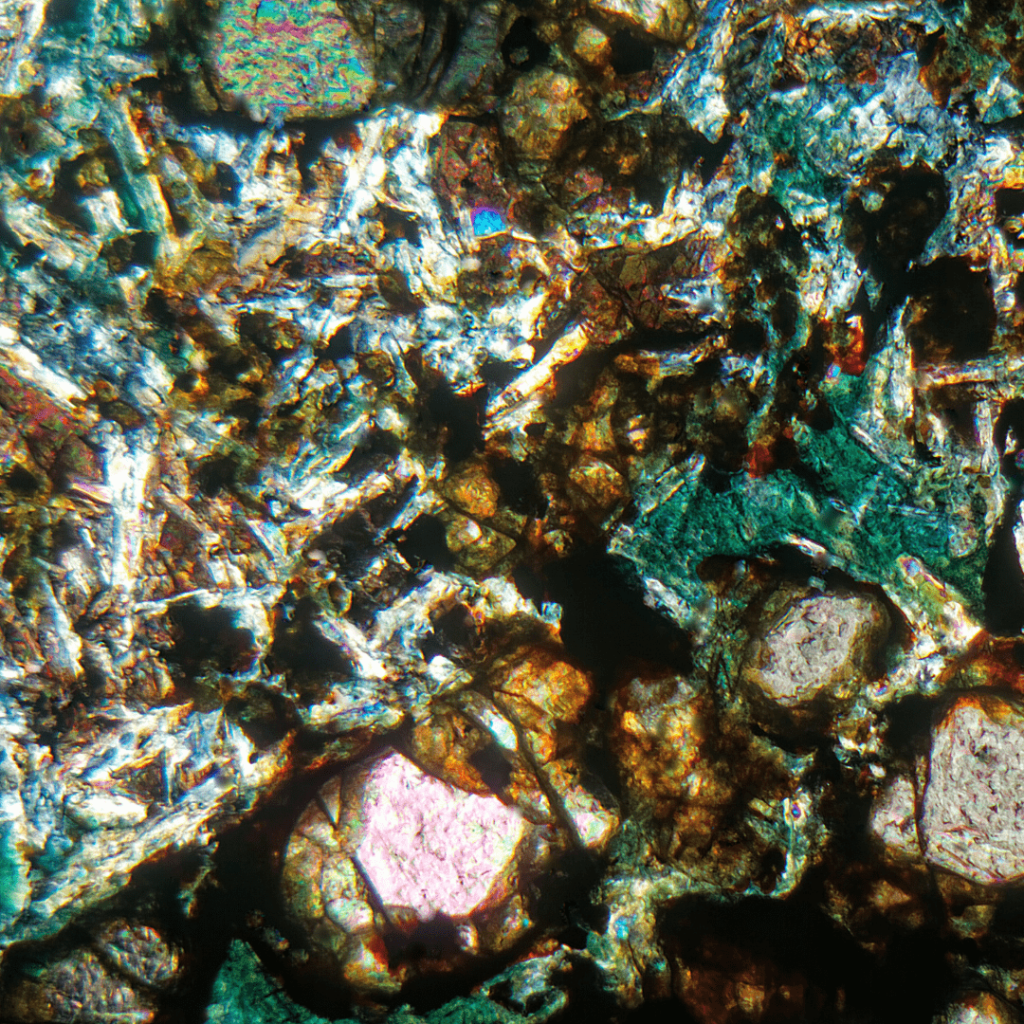
Identification of compositional and technological features of fabrics by means of coarse and thin section petrography and chemical analysis
Study of the historical evolution of the food and diet habits applied to the pottery in terms of techniques and composition
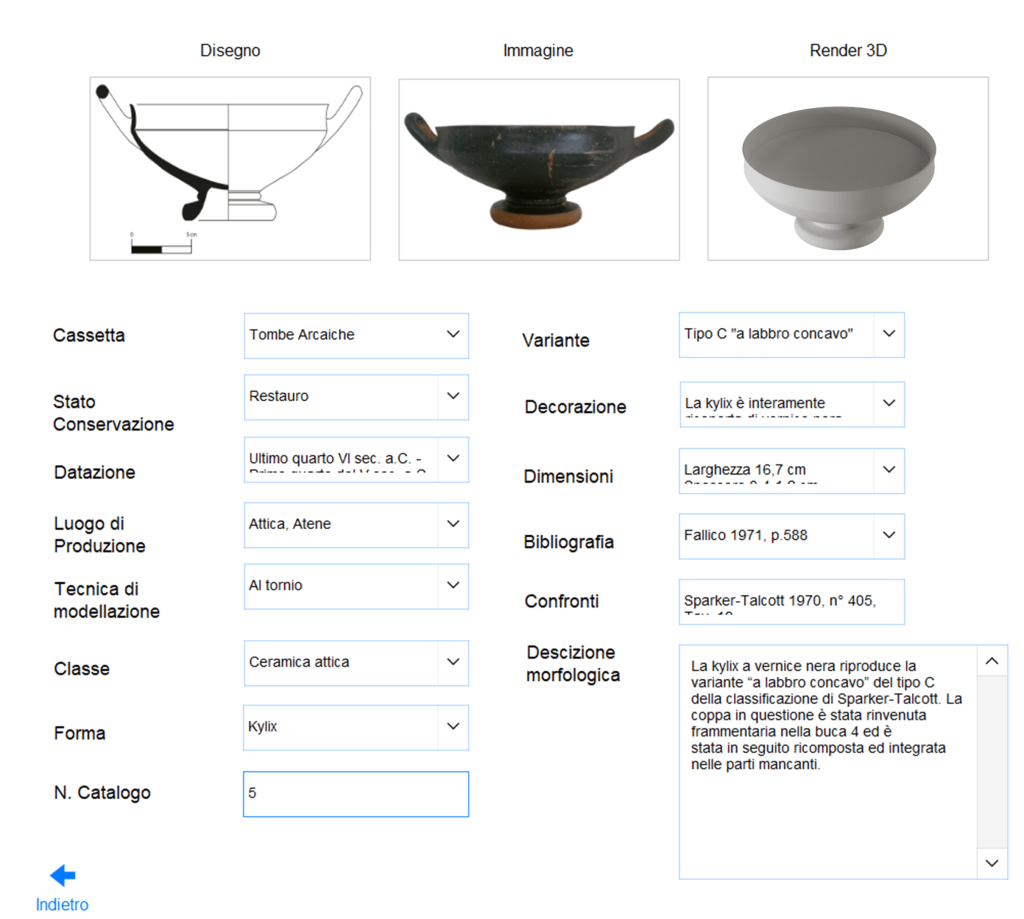
Definition of a standard applied to the recovery, assessment, analysis, reporting and archiving of all pottery analyzed
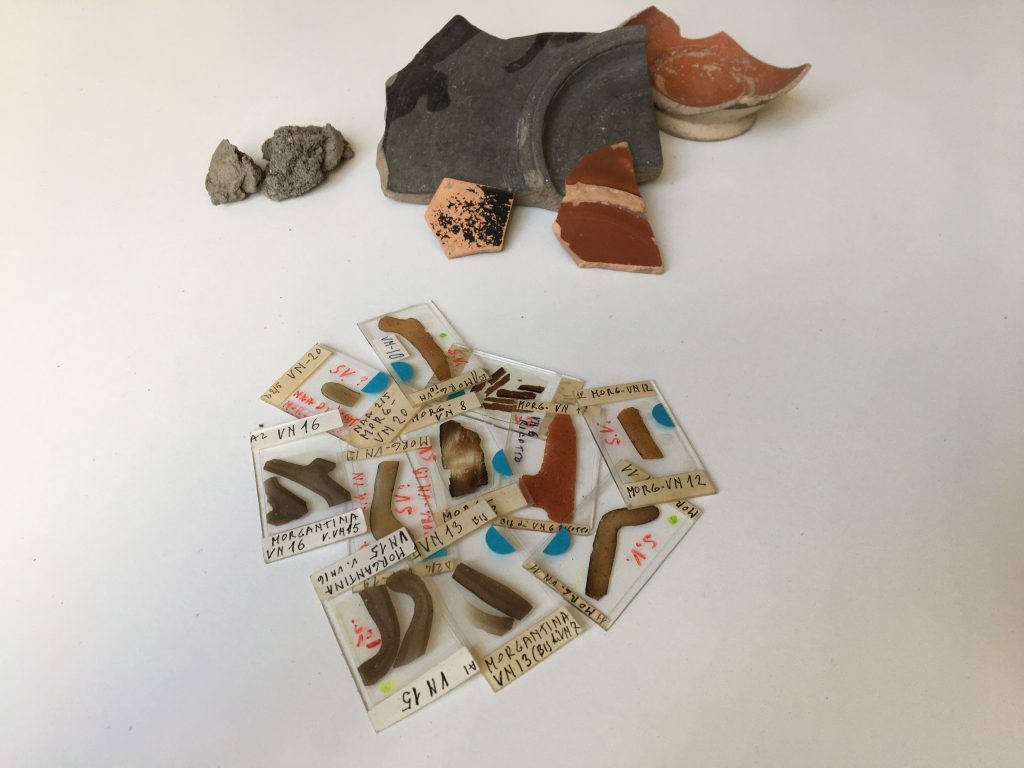
Grouping and comparing of coarse and thin ware sections by means of the same scientific data and by its digital copy with the purpose to provide a level of objectivity in pottery measurements and to develop a comparative study
Construction of models of society’s development, resource/goods supply, trade and consumption in the Hellenistic/Roman period based on the results of the pottery studies

The chemical, archaeobotanical and archaeozoological analyses will allow:
to reconstruct the post depositional processes
to identify food uses, communities’ diet, cooking and storage techniques
to understand the social conservation context
to frame local economic landscapes (land use, resources exploitation, cultivation etc..)
The formal and chrono-typological study, contextualized with the data coming from the natural and anthropic environment and in association with the other materials found, will allow to reconstruct the function of each find, the places of conservation or use, establish any modifications to the change trends, eating habits, time and space